
Caulking, Sealing & Antifouling a Wooden Hull for Tropical Seas
Tana Beru Boat Builder — Build Desk
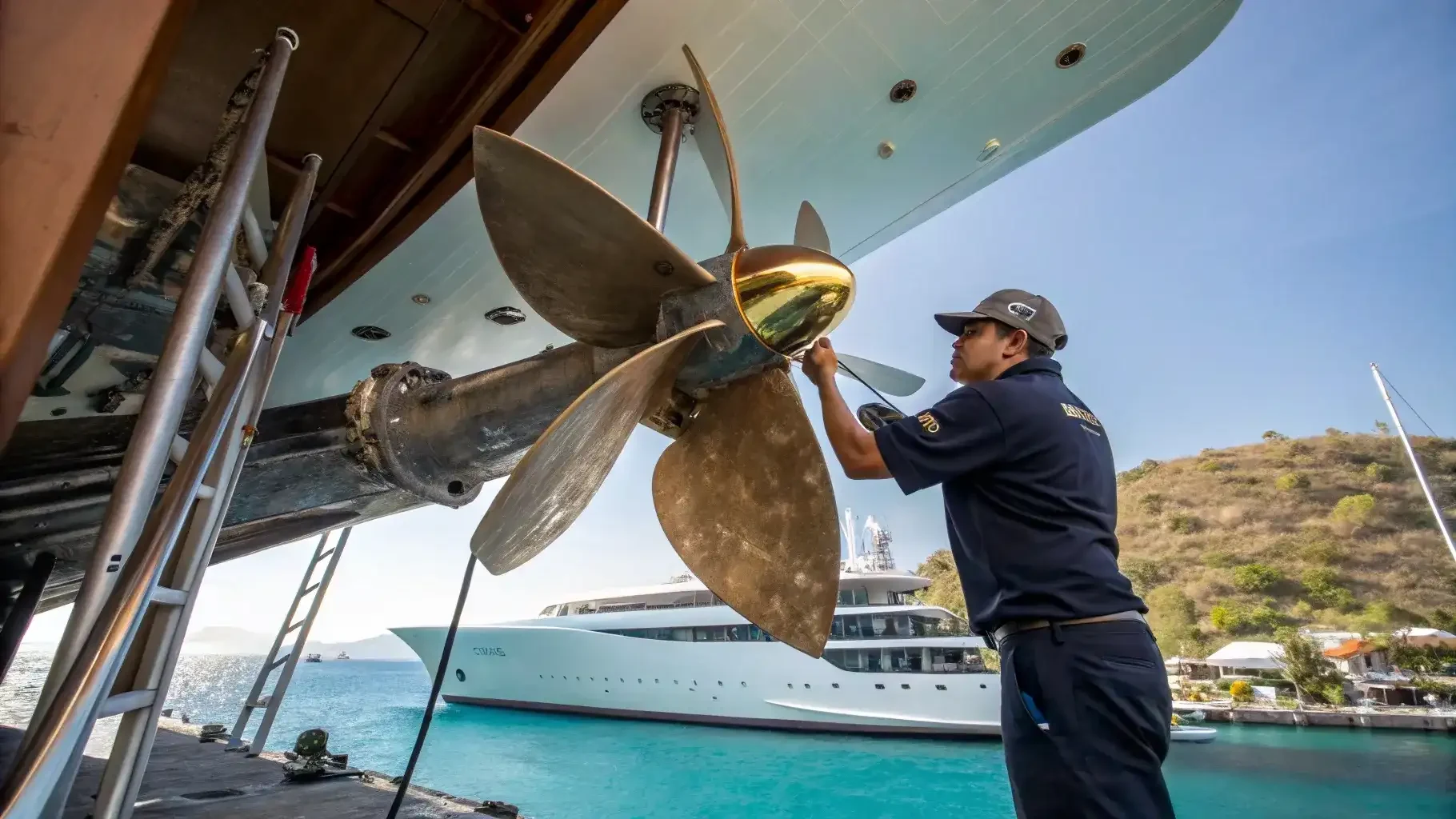
A wooden hull is made watertight by caulking and sealing its seams, then protected with primer — often iron-oxide red-lead — and antifouling. In tropical seas this protection is renewed on a regular schedule to keep the timber sound and the hull clean.
Caulking and Sealing the Seams
Once the planking is fastened, the seams between planks are caulked and sealed so the hull is watertight while allowing the timber its natural movement. Done well, this is what keeps a traditional hull dry and sound for decades.
Primer and Protection
The hull is primed — the distinctive iron-oxide red-lead you see on the beach is a traditional protective undercoat — then finish-coated. Below the waterline, antifouling keeps marine growth at bay, which matters even more in warm tropical water.
The Maintenance Rhythm
Tropical seas are hard on any hull. Antifouling is typically renewed once or twice a year, and seams and fastenings are inspected on schedule. We hand over a first-year maintenance plan so the protection built into the boat is actually maintained. See the first-year owner’s checklist.
Start a Build Conversation
Every commission begins with a short, honest conversation about length, use, timber, budget band and realistic timeline — no obligation, no pressure. Contracts are issued by PT Komodo Galangan Nusantara.
WhatsApp +62 811-3941-4563 · Email bd@juaraholding.com
PT Komodo Galangan Nusantara · Komodo Luxury · Juara Holding Group (since 2015)
Part of Juara Holding Group.
Construction, repair, refit, and vessel-sale contracts are issued by PT Komodo Galangan Nusantara.
Boat-management contracts are issued by PT Komodo Vessel Management.
Brokerage, central agency, charter marketing, and commercial representation contracts are issued by PT Komodo Bahari Nusantara.
Separate contracts. Separate fees. Separate ledgers. One integrated maritime ecosystem.